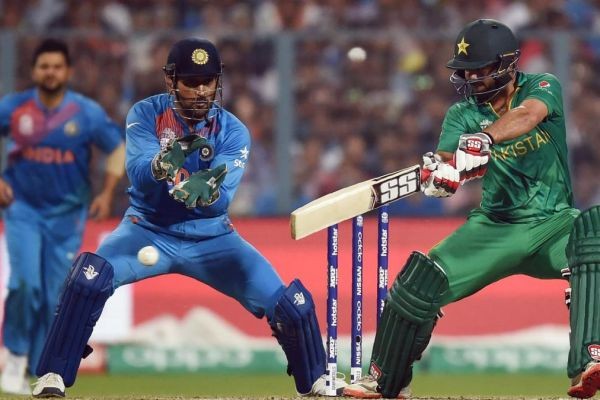
Cricket is undoubtedly the most popular activity in India and is also well-liked in surrounding countries like Pakistan and Bangladesh. Cricket is more than just a sport in India; it is a way of life for many people, and it is a lifestyle. When a cricket match is on, the fans put all other activities on hold and focus only on their screens to watch the action. People of all ages appreciate playing cricket; small children, adults, and seniors enjoy the activity. The entire nation comes together to celebrate the game of cricket. Cricket is the sport that Indians cherish the most.
Another sport developed by the British and embraced around the globe during the British Empire is cricket. Cricket has achieved more than survival in the generations after the end of colonialism; it is reasonable to argue. Football is now the second most popular sport globally, passing cricket in prominence. Over 2.5 billion cricket fans worldwide, an overwhelming number of them being Indians. These cricket enthusiasts enjoy betting on the game as much as they prefer watching and partaking in it. There are approximately 2.5 billion cricket lovers globally, many of whom also like to bet on these matches.
Cricket is a relatively simple sport in its most basic form. The only material necessary to play is a ball and a bat. Traditionally, 22 people participate in professional sports events, but outside of that environment, even two people can play a game of cricket alone. Cricket devotees also only require a little room to enjoy the game. You only need to look at India to see this; if you have ever been there, you've undoubtedly seen plenty of Indian kids who play cricket in the crowded streets while screaming and laughing and generally having an excellent time.
Before diving into how cricket took a beating over cricket fixing, let us first understand what match-fixing means. The act of manipulating the outcome or course of a sports competition is known as match-fixing. They do this to profit themselves or others and remove the unpredictability frequently found in sports. Athletes, teams, agents, support personnel, umpires and inspectors, or venue workers can manipulate and influence matches.
The Match Fixing Scandal
When the match-fixing story happened in 2000, cricket's status as a gentleman's game suffered, disillusioning millions of supporters and calling into question the game's legitimacy and ethics. Even though it was already straightforward that unregistered and unlicensed Indian bookmakers were actively trying to sway participants and tournaments, Delhi Police stunned the nation of sporting activities on April 7 when it filed a lawsuit accusing recently departed South Africa commander Hansie Cronje and fellow players Herschelle Gibbs and Nicky Boje of dishonesty and criminal conspiracy.
Although he maintained he didn't manipulate games, Cronje confessed to taking several hundred dollars from illegal bookmakers to impact results. The South Africa board reprimanded him. The sports ministry recommended that the Central Bureau of Investigation (CBI) start a probe to discover whether Indian players were participating as corruption in cricket threatened to sweep India. Notoriety all-rounder Manoj Prabhakar's sensational claim that Kapil Dev offered him cash to throw a game against Pakistan in the 1994 Singer Series in Sri Lanka put Indian cricket under examination. The 1983 World Cup champion captain grieved and cried in a TV interview as he disputed the allegations. Prabhakar cooperated with a TV sting, including a few of his old team members. Things started to occur quickly in April. Salim Malik and speedster Ata-ur-Rehman were tried and convicted of cricket fixing in Pakistan's Justice Qayyum report, which again was published in May. Life bans were proposed. In June, South Africa established the King Commission. Cronje was overcome with emotion as he acknowledged using large amounts of cash to manipulate games.
The CBI examination statement was released in October. It showed that cricket fraud was happening today on the opposing side. The situation facing cricket now is significantly different and far more dangerous than the Bodyline controversy. The way cricket is conducted will not appear to be any different. Cronje was given a general prohibition after departure in a cargo plane accident in 2002. Still, the BCCI selected the late K Madhavan, a former joint commissioner of the CBI, as the investigation commissioner out of concern for its prestige. In December, it enforced lifetime bans on Azhar and Ajay Sharma, as well as five-year restrictions and penalties on Prabhakar, Ajay Jadeja, and former India physio Ali Irani. Alec Stewart, Brian Lara, Mark Waugh, Dean Jones, Cronje, Aravinda d'Silva, Arjuna Ranatunga, Martin Crowe, and Salim Malik were all among the international athletes identified by the CBI, who said that Prabhakar had connected them to bookmaker Mukesh Gupta alias John, who have either offered or paid good money to them. Only Cronje was tried and convicted despite numerous boards undertaking investigations.
In January 2003, the Delhi High Court upheld Jadeja's punishment, allowing him to rejoin practicing domestic cricket. The Andhra Pradesh high court overturned Azhar's life ban when he filed a petition after being chosen as a Congress MP in 2009, citing it as unworkable.
Wrapping Up
Cricket fixing, to put it simply, is unscrupulous conduct to ensure that one team or person wins a particular sports match. The development of match-fixing would be a severe risk to the integrity, usefulness, and prosperity of New Zealand sports and our standing abroad. Match fixing contradicts the basic tenets of sport: universally agreed-upon standards and fair play. Sports wagering businesses provide the opportunity to gamble large amounts of money on sporting events with the chance for enormously important profits. It's critical to understand that while betting in and of itself is permissible, illegal or deceptive gambling is not.
Match-fixing and the corruption that results from it are not just found in competitive or professional sports. No sport is immune to match-fixing in some capacity; it can occur at regional competitions and local matches. This was one of the most well-known instances of how match-fixing damaged cricket. In the lengthy history of cricket, there have been numerous additional instances of fixing.
Watch More Cricket related videos on CBTF MyTube.
Also Read: 15 Amazing Gambling Tips That Actually Work